A Foodie’s Guide to My Son Sanctuary Tours – What to Eat on Your Journey
this UNESCO-listed archaeological site offers an unforgettable experience for travelers who love history, architecture, and local culture.
But there is another part of the experience that food lovers should not overlook.
After walking between ancient brick towers, listening to stories about Champa civilization, and exploring the atmospheric ruins, you will probably be ready for a good Vietnamese meal. Fortunately, many My Son Sanctuary tours combine sightseeing with lunch, giving you the opportunity to discover some of the flavors that make Central Vietnam so memorable.
See details: >>> Mỹ Sơn group tour with Hoi An traditional foods
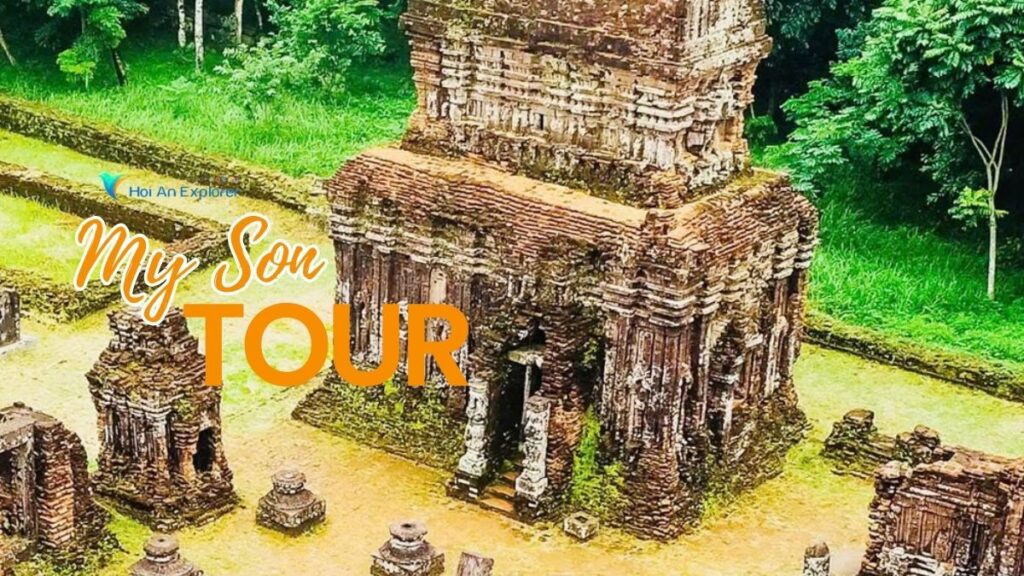
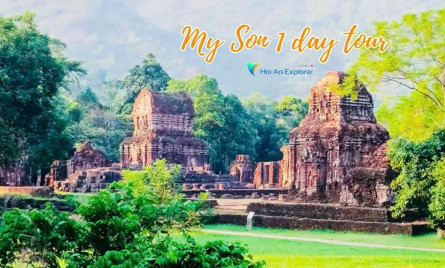
My Son Sanctuary
What Can You Expect to Eat on a My Son Sanctuary Tour?
The exact lunch menu depends on the tour company, itinerary, restaurant, and season. However, travelers can generally expect a selection of familiar Vietnamese dishes prepared with fresh vegetables, herbs, rice, noodles, meat, seafood, or tofu.
Rather than thinking of lunch as simply a break between sightseeing stops, consider it another opportunity to experience Central Vietnamese food culture. A shared meal can introduce you to flavors and ingredients that you may otherwise miss during your trip to Hoi An.
Popular Vietnamese Dishes You May Find at Lunch
Gỏi Cuốn – Fresh Vietnamese Spring Rolls
Fresh spring rolls are a light and refreshing choice, particularly after a warm morning exploring the sanctuary. Rice paper is wrapped around ingredients such as vermicelli noodles, shrimp, pork, lettuce, and fresh herbs before being served with a flavorful dipping sauce.
The combination of soft rice paper, crunchy vegetables, aromatic herbs, and savory fillings creates a dish that feels both fresh and satisfying.
Cơm Tấm – Vietnamese Broken Rice
Cơm tấm, or broken rice, is especially associated with southern Vietnam, but rice-based meals are an essential part of Vietnamese food culture everywhere.
A traditional plate may feature grilled pork, vegetables, pickles, and a fried egg alongside fragrant rice. If it appears on your tour menu, it makes a filling lunch after a morning of walking and sightseeing.
Phở Bò – Vietnamese Beef Noodle Soup
Phở is one of Vietnam’s best-known dishes around the world. Although it is often enjoyed for breakfast, you may occasionally find phở served as part of a tour lunch.
A steaming bowl combines rice noodles, tender beef, aromatic broth, herbs, and fresh garnishes. Add a little lime, chili, or herbs according to your preference, and you can create a bowl that is wonderfully comforting after exploring My Son.
Fresh Seafood from Central Vietnam
Because Hoi An and the surrounding region are close to the coast, seafood plays an important role in local cuisine. Depending on your itinerary and restaurant, lunch may include grilled fish, shrimp, squid, or another seasonal seafood dish.
Fresh seafood paired with rice, vegetables, herbs, and dipping sauces is a simple way to experience the coastal character of Central Vietnam.
Don’t Miss the Flavors of Hoi An
If your My Son Sanctuary tour starts or finishes in Hoi An, leave some room in your itinerary for the city’s famous local specialties.
Hoi An is particularly well known for dishes such as cao lau, white rose dumplings, Quang noodles, Hoi An chicken rice, and Hoi An banh mi. These dishes offer a very different culinary experience from standard international meals and are well worth trying while you are in town.
Cao lau, in particular, is closely associated with Hoi An. The dish combines distinctive noodles with pork, herbs, greens, and crispy toppings, creating a bowl that is deeply connected with the city’s culinary identity.
Vegetarian Travelers Can Enjoy the Experience Too
Traveling on a vegetarian or plant-based diet does not mean missing out on Vietnamese cuisine. Vietnamese cooking uses an impressive variety of vegetables, herbs, tofu, mushrooms, rice, noodles, and plant-based ingredients.
If you require a vegetarian meal, it is best to tell the tour operator when making your reservation rather than waiting until lunchtime. Many tour providers can arrange alternatives when they receive advance notice.
Possible vegetarian dishes may include:
- Vegetable spring rolls
- Tofu with vegetables
- Vegetable stir-fries
- Vegetarian rice dishes
- Fresh salads and herbs
- Vegetable noodle dishes
Travelers who are especially interested in Vietnamese plant-based cuisine can also explore a dedicated Hoi An Vegetarian Cooking Class during their stay.
What About Food Allergies and Special Diets?
Vietnamese cuisine includes ingredients that may not always be obvious to international travelers. Fish sauce, shrimp paste, peanuts, shellfish, soy, and other ingredients can appear in sauces, marinades, or side dishes.
If you have a food allergy, intolerance, or specific dietary requirement, communicate it clearly when booking your My Son Sanctuary tour. Giving the operator advance notice allows the restaurant or guide more time to arrange a suitable meal.
It is also useful to mention whether you need a meal that is vegetarian, vegan, gluten-free, dairy-free, or free from particular ingredients.
Tropical Fruit Makes the Perfect Finish
After a savory Vietnamese lunch, tropical fruit is a refreshing way to finish the meal. Depending on the season, you may encounter mango, dragon fruit, pineapple, watermelon, banana, or other locally available fruit.
Vietnam’s tropical climate means fruit is abundant, colorful, and often wonderfully fragrant. Sampling seasonal fruit during your trip is one of the simplest ways to enjoy the country’s fresh produce.
Turn Your My Son Trip into a Complete Food and Culture Experience
A My Son Sanctuary tour does not have to be limited to ancient temples and historical stories. You can make the day more memorable by connecting the archaeological experience with the food, farming, and everyday traditions of Central Vietnam.
For travelers who love hands-on experiences, a Hoi An cooking class is a great way to continue exploring Vietnamese cuisine after your visit to My Son. You can learn how local ingredients are prepared, discover traditional cooking techniques, and sit down to enjoy the dishes you have helped create.
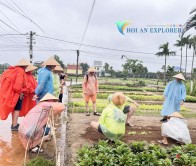
You can also explore the countryside through a Hoi An farming tour, where the connection between agriculture and Vietnamese cuisine becomes even clearer.
Why Food Adds Something Special to a My Son Sanctuary Tour
Ancient ruins tell you about the civilizations that shaped Central Vietnam. Food tells you something about the people who live here today.
Sharing a meal after exploring My Son gives you a chance to slow down, taste local ingredients, and experience Vietnamese hospitality. The flavors may be simple, but they carry stories about regional agriculture, family recipes, fishing communities, markets, and centuries of culinary traditions.
For many travelers, this combination of history, scenery, culture, and food is what makes a day trip from Hoi An to My Son so rewarding.
Final Thoughts: Explore My Son, Then Eat Like a Local
A day at My Son Sanctuary can be physically demanding, especially under the Central Vietnamese sun. A delicious local lunch is therefore more than a convenient stop—it is an important part of the overall travel experience.
From fresh spring rolls and fragrant noodle dishes to seafood, rice, tropical fruit, and vegetarian alternatives, the food served during or around a My Son Sanctuary tour can introduce you to another side of Central Vietnam.
So when planning your next trip from Hoi An, think beyond the ancient brick towers. Explore the history of the Champa Kingdom, enjoy the scenery surrounding My Son, sit down for a traditional Vietnamese meal, and give yourself time to discover why the cuisine of Hoi An and Central Vietnam is just as memorable as its landscapes.
YOU MAY LIKE IT
My Son Sanctuary Tour for Vegetarians & Vegans – A Delicious Plant-Based Adventure
But if you are vegetarian or vegan, there is another question that may be on your mind: What will I eat during the trip? Will lunch be nothing more than plain rice and a few vegetables? Fortunately,...