Hoi An – Vietnam’s Timeless Treasure and a Traveler’s Paradise
But Hoi An is much more than a beautiful old town. Its story is connected to centuries of international trade, while its surrounding countryside offers coconut forests, vegetable gardens, traditional villages, rivers, and quiet beaches. Add in the local food scene, talented artisans, and famously welcoming people, and it becomes easy to understand why so many travelers fall for this small riverside destination.
Whether you are interested in Vietnamese history, searching for unforgettable food, looking for a relaxing beach escape, or simply want to experience everyday local culture, Hoi An offers plenty to discover.
For any further information about Hoi An Explorer, please get in touch with the hotline at 0905.223.343 (Ms Tina )
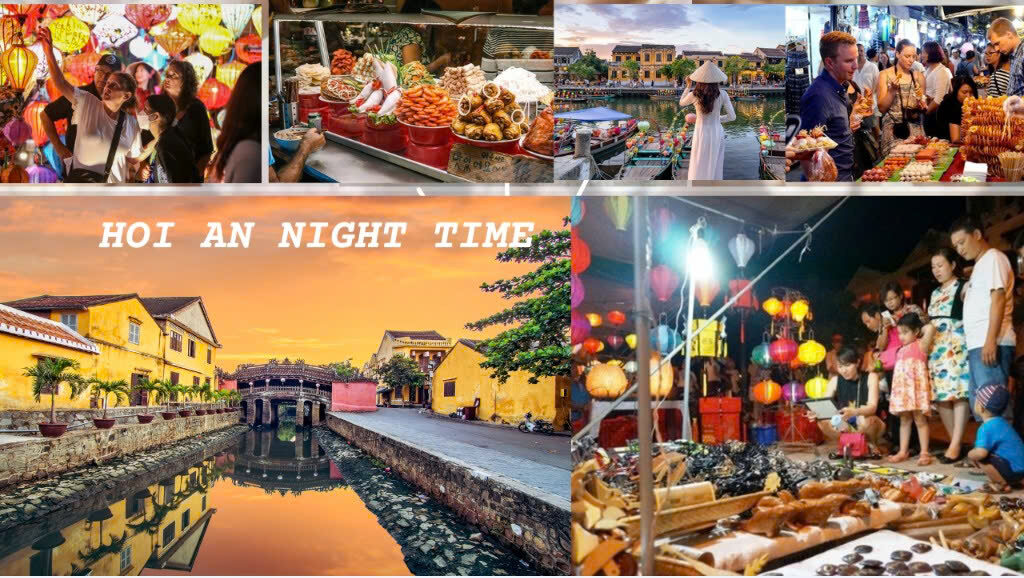
Hoi-an-night-time
See more details >>> Birthday party on Hoi An wooden lantern boat trip by night (As per your request, decoration)
A Glimpse into Hoi An’s History
Hoi An’s identity was shaped by its position as an important trading port between the 15th and 19th centuries. Merchants from different parts of Asia and Europe arrived here to trade silk, ceramics, spices, textiles, and other goods.
That international history left a visible mark on the town. Chinese assembly halls, Japanese architectural details, Vietnamese wooden houses, and European influences can all be found within the historic center.
Today, the Hoi An Ancient Town remains remarkably well preserved and is recognized as a UNESCO World Heritage Site. Walking through its narrow streets is almost like moving through different chapters of the town’s history.
Old wooden houses, tiled roofs, colorful shopfronts, historic temples, and quiet courtyards provide a glimpse into a period when Hoi An was one of the region’s important commercial centers.
Top Attractions and Experiences You Should Not Miss in Hoi An
Explore Hoi An Ancient Town
The best introduction to Hoi An is simple: walk.
Take your time wandering through the narrow streets of the historic center, where mustard-yellow buildings, wooden shutters, old merchant houses, temples, cafés, and colorful lanterns create the town’s unmistakable character.
One landmark that deserves a visit is the Japanese Covered Bridge. Dating back several centuries, this iconic structure is one of the most recognizable symbols of Hoi An and an important reminder of the town’s multicultural past.
Do not rush through the Ancient Town. Some of the most enjoyable moments come from small discoveries: a quiet courtyard, an old family house, a hidden café, or a local vendor preparing food on the sidewalk.
Discover Hoi An’s Famous Tailor Shops
Hoi An has developed an international reputation for custom tailoring. Travelers can have suits, dresses, shirts, jackets, and other garments made to their measurements, often within a surprisingly short period.
For visitors interested in this unique shopping experience, exploring local tailor shops can be part of the fun.
Well-known names such as Yaly Couture and BeBe Tailor have attracted international visitors for years, but there are many smaller family-run businesses throughout town as well.
If you want something made during your trip, allow enough time for measurements, fitting, adjustments, and a final fitting rather than leaving everything until the last morning.
Enjoy the Thu Bon River and Hoi An Night Market
As the sun goes down, Hoi An takes on a completely different personality.
The Thu Bon River becomes dotted with boats, while lanterns begin to glow along the waterfront. Across the river, the Hoi An Night Market fills with food stalls, souvenirs, handicrafts, clothing, and colorful lanterns.
This is also a great time to try some of Hoi An’s famous local food. Look for specialties such as Cao Lau, fresh spring rolls, grilled snacks, and the city’s famous Banh Mi.
Food lovers can also explore local specialties such as Cao Lau and discover why Hoi An’s culinary traditions have become such an important part of the destination.
For a more personal evening, you can celebrate a birthday, anniversary, proposal, or another special occasion aboard a private Hoi An wooden boat party tour on the river.
See more details >>> Birthday Party on Hoi An Wooden Lantern Boat Trip by Night
Visit Cam Thanh Coconut Village
A short journey from the Ancient Town brings you to Cam Thanh Coconut Village, one of the most popular countryside experiences around Hoi An.
The area is known for its waterways and dense water coconut palms. Traditional round basket boats travel through the narrow channels, offering visitors a chance to see a different side of local life.
You can learn about traditional fishing techniques, explore the coconut forest, meet local residents, and enjoy a basket boat ride through the greenery.
For travelers who want to combine food with the countryside, a Cam Thanh cooking class and basket boat experience is a particularly enjoyable option.
Relax at An Bang Beach
After spending time exploring historic streets, sometimes the best plan is to do absolutely nothing for a few hours.
An Bang Beach is just a short ride from central Hoi An and offers a relaxed coastal atmosphere with sandy shores, seafood restaurants, cafés, and casual beach bars.
Visit early for a quieter atmosphere, spend the afternoon swimming and relaxing, or stay until sunset when the coastline becomes especially pleasant.
Explore Hoi An’s Handicrafts and Traditional Workshops
Hoi An’s cultural identity is not limited to architecture. The surrounding communities are also home to artisans who continue traditional crafts passed down through generations.
You can discover everything from handmade lanterns and silk embroidery to traditional pottery, woodworking, bamboo products, and other handmade crafts.
A visit to Thanh Ha Pottery Village provides an opportunity to see traditional ceramic production, while Kim Bong Carpentry Village is known for its woodworking heritage, architectural craftsmanship, sculptures, furniture, and traditional boat building.
For travelers who prefer hands-on experiences, local workshops are even more rewarding. You can make your own Hoi An lantern, try a traditional craft technique, explore silk production, or join a Hoi An cooking class and learn how local dishes are prepared.
These activities offer something a regular sightseeing tour cannot: the chance to create something yourself and understand the skill behind a traditional Vietnamese craft.
Experience Hoi An Through Vietnamese Food
Food is one of the easiest ways to connect with Hoi An.
The city has developed a distinctive culinary identity influenced by its geography, trading history, local agriculture, and access to the Thu Bon River and surrounding countryside.
Do not leave without trying specialties such as Cao Lau, Hoi An chicken rice, White Rose dumplings, Quang noodles, Banh Mi, and fresh local herbs.
For a deeper experience, join a cooking class rather than simply ordering from a menu. Visiting a market, learning about ingredients, and preparing a meal yourself can give you a better understanding of why Vietnamese cuisine is so focused on freshness and balance.
Hoi An Lantern Festival: A Night of Light and Tradition
If your trip happens to coincide with the full moon, consider experiencing Hoi An’s traditional lantern celebrations.
During the monthly lantern event, parts of the historic center become especially atmospheric as electric lighting is reduced and colorful lanterns illuminate the streets and waterways.
Visitors can stroll through the Ancient Town, watch traditional performances, explore the riverside, and observe the custom of releasing small paper lanterns onto the water.
It is a beautiful experience, but it is also worth remembering that the festival is meaningful to local residents. Enjoy the atmosphere respectfully and follow local guidance around religious or cultural activities.
Practical Hoi An Travel Tips
When Is the Best Time to Visit Hoi An?
The period from February to April is often considered one of the most pleasant times to explore Hoi An, with relatively comfortable temperatures and generally favorable conditions.
However, Hoi An changes throughout the year. Different seasons bring different experiences, so check the weather forecast before planning outdoor activities such as cycling, beach trips, basket boat rides, and countryside tours.
How to Get to Hoi An
The closest major airport is Da Nang International Airport, approximately 30 km from Hoi An depending on the route.
From Da Nang, travelers can reach Hoi An by private car, taxi, shuttle service, or other local transportation. The journey is straightforward and usually takes around 45 minutes to an hour depending on traffic and your exact destination.
How to Get Around Hoi An
The historic center is compact and best explored slowly on foot. Walking allows you to notice details that are easy to miss from a vehicle.
For longer distances, bicycles are a popular choice, particularly when exploring the countryside and nearby villages. Taxis, private cars, electric vehicles, and motorbikes can also be useful depending on your itinerary.
Respect Local Customs
When visiting temples, pagodas, assembly halls, and other religious sites, dress respectfully and follow posted instructions. Avoid loud behavior in sacred spaces and remove your shoes when required.
A little cultural awareness goes a long way and helps ensure that your visit is respectful to the people and communities who call Hoi An home.
More Experiences to Add to Your Hoi An Trip
If you have several days in Hoi An, consider balancing sightseeing with hands-on activities.
- Join a Hoi An cooking class and learn to prepare local specialties.
- Visit Tra Que Vegetable Village to discover traditional farming.
- Ride a bicycle through rice fields and countryside villages.
- Explore Cam Thanh’s coconut waterways by basket boat.
- Visit traditional craft villages around Hoi An.
- Spend a relaxing afternoon at An Bang Beach.
- Explore My Son Sanctuary and learn about the ancient Champa civilization.
- Enjoy Hoi An’s street food after sunset.
- Take a romantic evening boat ride along the river.
For travelers who want to combine cultural sightseeing with food, a My Son Sanctuary & Cam Thanh Cooking Class 1 Day Tour can bring ancient history and Vietnamese culinary traditions together in one itinerary.
Why Hoi An Belongs on Your Vietnam Travel List
Hoi An has a rare ability to make travelers slow down.
You might arrive expecting a historic town and end up spending an afternoon cycling through rice fields. You might plan to visit a market for a quick look and stay for an impromptu food tasting. A short walk through the Ancient Town can easily turn into an entire evening of lanterns, street food, riverside cafés, and conversations with local people.
Its appeal comes from this mixture of experiences. History is everywhere, but so are everyday life, food, craftsmanship, nature, and hospitality.
That is what makes Hoi An more than a destination for taking photographs. It is a place to walk slowly, eat well, meet local people, learn something new, and experience a different rhythm of Vietnam.
Start Planning Your Hoi An Adventure
From the lantern-lit Ancient Town and historic Japanese Covered Bridge to the coconut waterways of Cam Thanh, the beaches of An Bang, traditional craft villages, local markets, and unforgettable Vietnamese food, Hoi An offers an impressive variety of experiences in a relatively small area.
Take your time. Explore beyond the obvious attractions. Try a local dish, learn a traditional craft, ride a basket boat, cycle through the countryside, or simply sit beside the Thu Bon River and watch the town change from afternoon to evening.
YOU MAY LIKE IT

Delve into splendour party mood on Hoi An Viet Nam
New Year’s Eve is just round the corner, and if you’re planning something intriguing and innovative this year, nothing can work better than a New Year’s Eve Party in Hoi An ancient...
