Exploring the Diverse Products of Kim Bong Carpentry Village, Hoi An
Visiting Kim Bong is not simply about shopping for souvenirs. It is an opportunity to see skilled artisans working with hand tools, discover traditional Vietnamese woodworking techniques, and understand how carpentry became an important part of Hoi An’s cultural heritage.
See more details >>> Discovering Kim Bong Carpentry Village – Where Hoi An’s wooden Legacy lives on
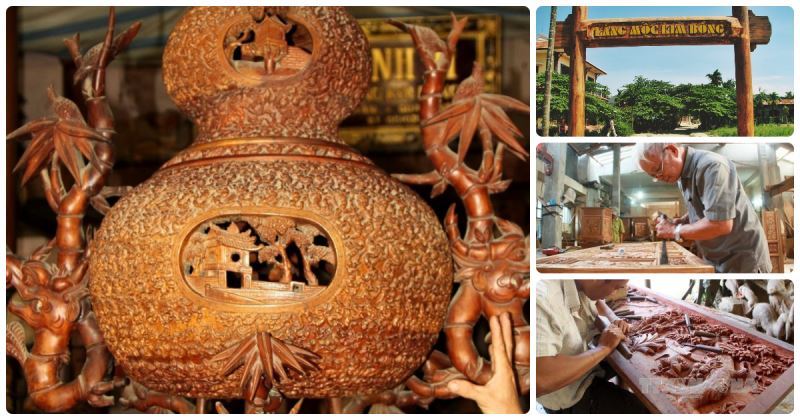
Kim-Bong-Carpenter-Village-Products-Hoi An-Crafts
What Makes Kim Bong Carpentry Village Special?
Kim Bong, also known as Kim Bồng, has long been associated with traditional woodworking in the Hoi An area. The village’s location beside the Thu Bon River also played an important role in its development, connecting local craftsmen with the busy trading town of Hoi An.
Walking through the village, you may hear the rhythmic sound of chisels and saws before you even reach a workshop. Inside, artisans work carefully on pieces ranging from small wooden souvenirs to large-scale architectural components.
The most interesting part is the variety. Kim Bong is not limited to one particular type of wooden product. Its craftsmen create objects for homes, religious spaces, traditional architecture, decoration, and everyday life.
A Tapestry of Wooden Creations in Kim Bong
Traditional Architectural Woodwork
Some of the most impressive work associated with Kim Bong is found in traditional Vietnamese architecture. Local artisans have developed skills in creating wooden columns, beams, doors, windows, panels, decorative details, and other architectural components.
Intricate patterns and carefully proportioned wooden elements can be seen in traditional houses, temples, communal buildings, and heritage structures around Central Vietnam. This type of craftsmanship requires not only woodworking ability but also a strong understanding of traditional architectural styles.
Handcrafted Wooden Furniture
Furniture is another major attraction for visitors interested in Kim Bong craftsmanship. Depending on the workshop, you may find wooden tables, chairs, cabinets, chests, benches, shelves, and smaller household furnishings.
Rather than relying entirely on mass-production techniques, traditional workshops emphasize careful cutting, joining, carving, sanding, and finishing. Decorative details may be added to give each piece its own character.
If you are looking for a substantial Vietnamese handicraft to take home, a handcrafted furniture or decorative piece can be far more meaningful than an ordinary mass-produced souvenir. For larger purchases, however, remember to ask about dimensions, packing, shipping, and delivery before making a decision.
Wooden Statues and Sculptures
Visitors will also find beautifully carved wooden statues and figurines. Religious and spiritual subjects are particularly important within traditional Vietnamese woodcarving, with artisans creating representations of Buddha, deities, mythical figures, animals, and other symbolic subjects.
Creating a sculpture requires patience and precision. The artisan must gradually remove small amounts of wood while preserving the proportions and character of the figure. Facial expressions, clothing, ornaments, and other fine details may all be carved by hand.
These sculptures can be meaningful decorative pieces for people interested in Vietnamese art and traditional craftsmanship.
Decorative Wooden Art
Not everything produced in Kim Bong is designed for practical use. Many workshops create decorative carvings and artistic wooden pieces that can be displayed at home or in a business.
Look for carved panels, wall decorations, small figurines, ornamental pieces, traditional motifs, and other handcrafted objects. Designs may feature flowers, animals, landscapes, mythical creatures, or patterns inspired by Vietnamese culture.
Everyday Wooden Items
Kim Bong’s woodworking tradition also appears in much simpler objects. Depending on the workshop, visitors may find wooden bowls, spoons, trays, boxes, kitchen utensils, small containers, and other household items.
These pieces are often easier to transport than large furniture or sculptures, making them practical souvenirs for travelers. A small hand-carved bowl or wooden utensil can bring a little piece of Hoi An craftsmanship into your home without taking up much luggage space.
The Traditional Skills Behind Every Product
One of the most valuable things about visiting Kim Bong is seeing how much work goes into a handmade wooden object. The process can begin with selecting suitable timber and preparing the basic shape. Depending on the product, the artisan may then measure, cut, join, carve, sand, and finish the piece.
For highly detailed carvings, even a small mistake can affect the final design. Experienced craftsmen therefore rely on a combination of hand skills, patience, traditional knowledge, and years of practice.
These skills are often passed from one generation to another, helping maintain the distinctive character of Kim Bong woodworking while allowing younger artisans to adapt traditional products for modern customers.
What Can You Buy at Kim Bong Carpentry Village?
If you are planning to visit the village, these are some of the main categories of products worth looking for:
- Wooden furniture: Tables, chairs, cabinets, chests, benches, shelves, and other handcrafted furnishings.
- Decorative carvings: Statues, figurines, carved panels, ornaments, and artistic wooden displays.
- Religious artwork: Wooden figures of Buddha, deities, mythical creatures, and other traditional spiritual subjects.
- Household items: Bowls, spoons, trays, boxes, utensils, and other practical wooden objects.
- Architectural pieces: Decorative doors, windows, panels, beams, and other traditional wooden components.
- Small souvenirs: Compact carvings and handcrafted objects that are easier to carry home after a Hoi An holiday.
Where Can You Find Kim Bong Carpentry Workshops?
The best way to experience the craft is to visit workshops and artisan areas around Kim Bong Carpentry Village in Cam Kim. Some workshops are small family-run businesses where visitors can watch craftsmen working on current projects.
You may also encounter local places listed on online maps, including:
- Cam Kim Dock Builder – located in the Kim Bong Carpentry Village area of Cam Kim, Hoi An.
- Kim Bồng – another location associated with the Kim Bong area in Cam Kim.
Because small village workshops can change their opening arrangements, it is a good idea to check locally or arrange a guided visit if you specifically want to watch a demonstration.
Why Buy Directly from Local Artisans?
Buying directly from a workshop allows you to see where the product was made and, in many cases, meet the person who created it. You can ask questions about the wood, carving techniques, design, production time, and traditional meaning behind a particular piece.
It also makes the souvenir feel more connected to your trip. Instead of simply purchasing an object from a generic souvenir store, you are taking home a piece associated with a living craft tradition in Hoi An.
For larger or more valuable pieces, ask about the type of wood, finishing treatment, packaging, delivery options, and care instructions before purchasing.
Combine Kim Bong with Other Hoi An Craft Villages
Kim Bong can easily be included in a wider Hoi An craft village tour. If you enjoy handmade products and traditional skills, consider combining your visit with several other local workshops.
Thanh Ha Pottery Village is a great choice for travelers interested in ceramics and pottery making.
For another hands-on experience, explore a Hoi An Bamboo Class and Workshop to learn about traditional bamboo craftsmanship.
If textiles are more interesting to you, a Hoi An Silk Weaving and Embroidery Class offers a closer look at another traditional Vietnamese craft.
You can also try a Hoi An Lantern Making Class and create your own colorful souvenir.
Tips for Shopping at Kim Bong Carpentry Village
Ask About the Material
For wooden products, ask the artisan what type of timber was used and how the piece has been treated or finished. This is particularly important when purchasing furniture or larger sculptures.
Check the Size Before Buying
A beautiful carving may look manageable inside a workshop but become surprisingly difficult to pack into your luggage. Measure larger items and ask about shipping if necessary.
Take Your Time
Do not rush through the village. Spend time observing the artisans and looking closely at the details of the carvings. Sometimes the smaller pieces reveal just as much craftsmanship as the larger ones.
Ask Before Taking Photos
Many artisans are happy to let visitors photograph their workshops, but it is always polite to ask first, particularly when photographing people or unfinished commissioned work.
Respect the Working Environment
Woodworking involves sharp tools, machinery, dust, and sometimes large pieces of timber. Keep a safe distance from active work areas and follow the workshop’s instructions during demonstrations.
Experience the Living Craft of Kim Bong
Kim Bong Carpentry Village is more than a place to buy wooden souvenirs. It is a living craft community where traditional skills continue to be practiced and adapted by local artisans.
From finely carved furniture and spiritual sculptures to simple household utensils and decorative artwork, the variety of products reveals just how versatile Vietnamese woodworking can be. Every chisel mark, joint, and carved pattern reflects time, patience, and knowledge passed down through generations.
For travelers exploring Hoi An beyond the Ancient Town, a visit to Kim Bong offers a quieter and more authentic cultural experience. You can watch artisans at work, learn about traditional carpentry, browse handmade products, and perhaps take home a small piece of Hoi An’s wooden heritage.
Plan Your Hoi An Craft Village Experience
Ready to explore Kim Bong and discover more of Hoi An’s traditional crafts? Combine your visit with Thanh Ha pottery, bamboo workshops, silk weaving, or lantern making for a full day of hands-on cultural experiences.
See more Hoi An tours and craft village experiences: Hoi An Eco Travel
See more Hoi An tours craft village as details:
Thanh Ha pottery village daily tour
Hoi An Bamboo Class and workshop
Hoi An silk weaving class and workshop
If confirm booking please send us the list includes: Name, date of birth, email address (if available) or mobile numbers to companies for buying insurance. Or send all information as your request via WhatsApp >>>

YOU MAY LIKE IT

Kim Bong Carpenter Products – How to Ship Your Hoi An Handicrafts to Your Hometown
Then comes the practical question: How can you bring a large, heavy, or delicate Kim Bong wooden product back home? Fortunately, buying a handcrafted item does not always mean carrying it...