Hoi An Cooking Class – Discover the Nutrition and Traditional Health Wisdom Behind Vietnamese Food
One question often comes up before booking: Do Hoi An cooking classes explain the nutritional or medicinal properties of their ingredients?
In many cases, yes. Depending on the class and instructor, you may learn not only how to prepare familiar Vietnamese dishes but also why certain herbs, vegetables, spices, and other ingredients have been used in Vietnamese kitchens for generations. These stories add another layer to the experience, helping visitors understand why Vietnamese food is often celebrated for its freshness, variety, and balance.
For any further information about Hoi An Explorer, please contact via hotline 0905.223.343 (Ms.Tina)
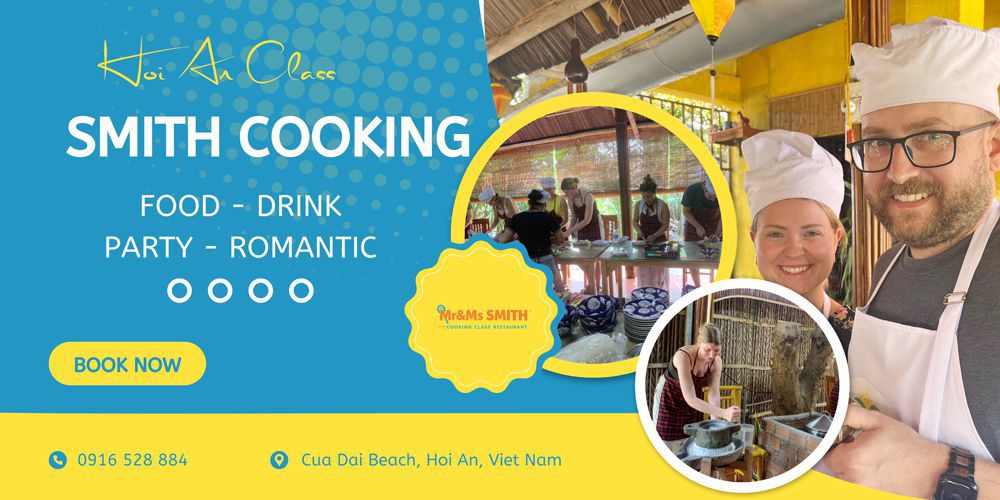
A Hoi An Cooking Class Is More Than Learning Recipes
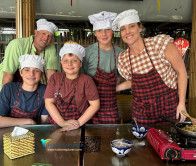
A Vietnamese cooking lesson is rarely just about following a recipe step by step. In Hoi An, many experiences combine cooking with visits to local markets, vegetable gardens, fishing communities, or rural villages. This allows travelers to see where ingredients come from before turning them into a meal.
During a Hoi An cooking class, an instructor may explain why fresh herbs are so important in Vietnamese cuisine, how different spices are combined, or how local families traditionally use particular ingredients in everyday meals.
The emphasis is usually on the relationship between freshness, flavor, balance, and nourishment. This is one of the reasons a cooking class can feel very different from a conventional tourist activity. You are not simply learning to cook Vietnamese food; you are learning how Vietnamese people interact with food.
What Can You Learn About the Health Benefits of Vietnamese Ingredients?
The exact information varies from one cooking class to another, but local instructors often introduce visitors to ingredients that have long been valued in Vietnamese cooking and traditional food culture.
Turmeric: A Golden Vietnamese Spice
Turmeric is widely used in Vietnamese cuisine for its earthy flavor and vibrant yellow color. It appears in dishes such as turmeric-seasoned fish, pancakes, and marinades.
It is also traditionally associated with anti-inflammatory and digestive properties. Modern nutritional research has investigated compounds in turmeric, particularly curcumin, although traditional culinary use should not be confused with medical treatment.
Lemongrass: Fragrant and Refreshing
Lemongrass is one of the most recognizable aromas in Vietnamese cooking. Its fresh citrus-like fragrance works beautifully with seafood, chicken, soups, marinades, and stir-fries.
Cooking instructors may also explain how lemongrass has traditionally been used in Vietnamese households for its refreshing qualities and as part of herbal drinks and home remedies.
Fresh Herbs: The Essential Vietnamese Touch
Walk through a Vietnamese market and you will quickly notice the abundance of fresh herbs. Thai basil, Vietnamese coriander, mint, perilla, lettuce, and other leafy greens are often served alongside noodles, grilled foods, rice dishes, and spring rolls.
These herbs contribute more than color. They provide distinctive aromas, textures, and a range of micronutrients and plant compounds. Learning how to combine them with different dishes is one of the most enjoyable parts of a Vietnamese cooking experience.
Market Visits: Where the Ingredient Story Begins
Many Hoi An cooking classes begin with a trip to a local market. Rather than heading straight into the kitchen, participants first discover the ingredients that will eventually become lunch or dinner.
A market visit can teach you how Vietnamese cooks choose vegetables, herbs, meat, seafood, noodles, spices, and fruit. Your guide may also explain which produce is seasonal and how freshness affects both flavor and texture.
You might encounter ingredients such as:
- Water spinach: A popular leafy vegetable commonly eaten in Vietnamese home cooking.
- Green papaya: Frequently used in Vietnamese salads and valued as a source of vitamin C and fiber.
- Chili: Used to provide heat, fragrance, and additional flavor to sauces and marinades.
- Ginger: A warming and aromatic ingredient found in soups, sauces, seafood dishes, and traditional drinks.
- Fresh Vietnamese herbs: Used to brighten dishes while adding contrasting aromas and textures.
The market experience makes the cooking lesson more meaningful because you begin to recognize the ingredients before preparing them.
Cam Thanh Cooking Class: From Local Ingredients to the Kitchen
A Cam Thanh cooking class is a particularly appealing option for travelers who want to combine food with Hoi An’s peaceful countryside.
Cam Thanh is famous for its waterways, water coconut palms, rural scenery, and traditional village lifestyle. Cooking experiences in this area often bring together several elements of local life, such as market shopping, ingredient preparation, cooking demonstrations, and enjoying the finished meal.
Depending on the itinerary, your instructor may share stories about how Vietnamese families use particular ingredients and why fresh vegetables and herbs are such an important part of the local diet.
The result is an experience that feels less like a formal cooking lesson and more like spending part of the day discovering how food fits into everyday life in Hoi An.
Traditional Vietnamese Food: The Idea of Balance
One of the most interesting aspects of Vietnamese cuisine is its attention to balance. A meal can combine salty, sweet, sour, spicy, bitter, fresh, crunchy, soft, hot, and cool elements in a surprisingly harmonious way.
Traditional Vietnamese food culture has also been influenced by ideas associated with Eastern traditional medicine, including the concept of balancing different properties of foods. For example, ingredients considered warming may traditionally be paired with ingredients regarded as cooling.
These ideas are part of cultural and culinary traditions rather than a substitute for professional medical advice. Still, learning about them can help visitors understand why certain combinations appear repeatedly in Vietnamese cooking.
Ginger, Seafood, and Traditional Food Wisdom
Seafood is a major part of Central Vietnamese cuisine. In traditional food culture, seafood is sometimes described as having a cooling nature, while ginger is viewed as warming. This helps explain why ginger frequently appears alongside seafood in Vietnamese recipes.
Whether you view this through the lens of traditional food philosophy or simply appreciate the combination for its flavor, it is an interesting example of how Vietnamese cooking brings ingredients together with purpose.
Herbal Drinks and Vietnamese Tea Culture
Cooking classes may also introduce visitors to Vietnamese herbal drinks or teas. Ginger tea, lotus tea, and other fragrant infusions are enjoyed for their aroma and comforting qualities.
In Hoi An, sitting down with a cup of tea after cooking can be a simple but memorable way to slow down and appreciate the rhythm of local life.
Popular Vietnamese Dishes You May Learn to Prepare
The recipes vary between operators, but many cooking experiences introduce travelers to familiar Vietnamese favorites.
Pho
Pho is perhaps Vietnam’s most internationally recognized dish. Its combination of noodles, aromatic broth, herbs, meat, and spices demonstrates the Vietnamese approach to building layers of flavor.
A cooking lesson may focus on broth preparation, spice combinations, fresh herbs, and the importance of balancing the final bowl rather than simply following a fixed recipe.
Goi Cuon – Vietnamese Fresh Spring Rolls
Fresh spring rolls are a wonderful example of light and colorful Vietnamese cooking. Rice paper is wrapped around vegetables, herbs, noodles, and other fillings before being served with a dipping sauce.
Because the ingredients remain fresh rather than heavily fried, goi cuon is also a popular choice among travelers looking for lighter Vietnamese food.
Cao Lau
No culinary exploration of Hoi An would be complete without mentioning cao lau. This distinctive local noodle dish combines chewy noodles, pork, fresh herbs, greens, and crispy toppings.
Its unique identity is closely connected with Hoi An, making it an especially interesting dish to discover during a local cooking experience.
Tra Que Cooking Class: Learn About Vegetables at Their Source
For travelers particularly interested in herbs and vegetables, a Tra Que cooking class offers an even closer connection with local agriculture.
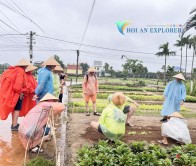
Tra Que Vegetable Village is located just outside Hoi An and is well known for its traditional farming practices and abundant gardens. Instead of seeing vegetables only as ingredients on a kitchen counter, visitors can experience the agricultural landscape where many of them are grown.
A typical experience may involve exploring the gardens, learning about local farming methods, collecting herbs or vegetables, and then using fresh produce in the kitchen.
This farm-to-table connection is one of the strongest reasons to choose a Tra Que experience. You can see, smell, touch, and taste the ingredients throughout the journey.
Hoi An Vegetarian Cooking Class for Plant-Based Food Lovers
Travelers following a plant-based diet can also explore Vietnamese cuisine through a Hoi An Vegetarian Cooking Class.
Vietnamese cooking naturally offers a wide variety of vegetables, herbs, mushrooms, tofu, rice noodles, rice paper, and fresh produce. A vegetarian or vegan-focused class allows participants to discover how these ingredients can be combined into satisfying dishes without relying on meat.
For anyone interested in healthy eating, this can be an especially useful experience because the techniques are generally easy to reproduce at home. Once you understand the basic sauces, herbs, vegetables, and cooking methods, you can adapt many Vietnamese recipes to your own diet.
Go Beyond the Kitchen with a Hoi An Farming Tour
If you want to understand the origins of Vietnamese food even more deeply, consider adding a Hoi An farming tour to your itinerary.
Farming experiences introduce travelers to the countryside surrounding Hoi An, where agriculture remains an important part of local life. Depending on the tour, you may learn about planting, watering, harvesting, traditional farming tools, or the daily routines of local farmers.
This type of experience gives more context to what you discover in a cooking class. A bunch of herbs on your plate suddenly has a story behind it: someone planted it, cared for it, harvested it, and brought it to the local market.
Hoi An Buffalo Riding, Wet Rice and Cooking: A Different Culinary Adventure
For something more immersive, the Hoi An Buffalo Riding – Wet Rice Tour and Cooking Class combines countryside activities with Vietnamese cuisine.
Rather than experiencing food in isolation, travelers can discover the agricultural traditions behind the dishes. Exploring rice fields and learning about rural life provides a fascinating reminder that rice, vegetables, herbs, and other ingredients are closely connected to the landscape around Hoi An.
After experiencing the countryside, sitting down to prepare and enjoy a Vietnamese meal makes the food feel even more connected to the place you are visiting.
Why Learn About Nutrition During a Hoi An Cooking Class?
Understanding the ingredients can make a cooking class much more rewarding.
You Can Recreate Healthier Meals at Home
Once you understand how Vietnamese cooks use fresh herbs, vegetables, spices, and lighter cooking techniques, it becomes easier to recreate the flavors of Hoi An in your own kitchen.
You Understand Vietnamese Food Culture Better
Ingredient knowledge provides a window into Vietnamese traditions. You begin to understand why herbs accompany noodles, why certain spices are paired with particular foods, and why fresh produce is central to so many meals.
You Become More Mindful About What You Eat
Cooking from scratch encourages you to pay attention to the ingredients, textures, aromas, and flavors on your plate. This can make the meal itself more memorable.
You Discover Ingredients You May Never Have Tried Before
Travelers often encounter Vietnamese herbs and vegetables that are difficult to find in their home countries. A local cooking class gives you the chance to taste them in the setting where they naturally belong.
Combine Your Cooking Class with Other Hoi An Experiences
A cooking class does not have to be the only culinary experience on your Hoi An itinerary. You can combine it with other activities to create a fuller picture of local food and culture.
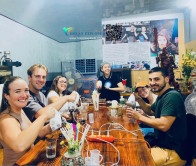
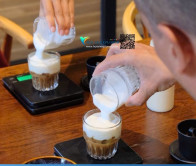
For example, coffee lovers can try a Hoi An coffee class and discover the story behind Vietnam’s famous coffee culture. If you prefer an evening experience, a Hoi An wooden boat party tour offers a relaxed way to enjoy the river after a day of exploring.
You can also spend time tasting Hoi An specialties such as cao lau, white rose dumplings, Quang noodles, Hoi An chicken rice, banh mi, and sweet corn pudding. Each dish tells a slightly different story about the town and its culinary heritage.
Is a Hoi An Cooking Class Suitable for Food and Wellness Enthusiasts?
Absolutely. You do not need to be an experienced cook to enjoy one. In fact, beginners often find cooking classes especially rewarding because instructors usually demonstrate each technique before participants try it themselves.
For travelers interested in nutrition, the most valuable part may not be memorizing a recipe. It may be understanding how Vietnamese cuisine naturally brings together fresh vegetables, herbs, aromatics, rice-based ingredients, and carefully balanced seasonings.
Just remember that traditional descriptions of an ingredient’s medicinal or health properties are part of cultural food knowledge and should not be treated as medical advice or a replacement for professional healthcare.
Final Thoughts: Taste Hoi An Through Food, Culture, and Tradition
A Hoi An cooking class can be much more than an afternoon spent preparing Vietnamese dishes. It can introduce you to local markets, countryside farming, traditional ingredients, family food traditions, and the cultural ideas that have shaped Vietnamese cuisine over generations.
From fragrant lemongrass and ginger to colorful herbs and vegetables from Tra Que, each ingredient has a place in the story. Add a market visit, a countryside farming experience, or a vegetarian cooking lesson, and your culinary adventure becomes an opportunity to understand Hoi An from a completely different perspective.
Whether you choose a Hoi An cooking class, a Cam Thanh cooking class, a Tra Que cooking class, or a countryside food experience, you will leave with more than a few new recipes. You will take home a deeper appreciation for the way Vietnamese food connects people, land, culture, flavor, and everyday well-being.